
How to Look After Your Garden in Winter
Throughout the Covid-19 pandemic, most homeowners turned their attention to the interior of their home- ensuring that it was as comfortable as possible as we spent the best part of a year stuck indoors. And no exception to this was the garden, as for those lucky enough to have one, the garden quickly became our only access to the outside world. Most of us began to take an interest in gardening like never, however, for avid gardeners, this notion was nothing new. Those invested in gardening understand the dedication and time that goes into maintaining and looking after a garden- and how throughout winter months, all your hard gardening work can be destroyed. Here at We Buy Any House we have compiled our top tips on how to look after your garden in winter.
Start by Clearing Diseased Plants:
Before the colder months arrive, it’s a good idea to clear up any diseased plants that may be in your garden. This way, you can prevent the soil from harbouring disease, pests, and funguses. It’s important that you do this as soon as you notice, as then throughout the winter months, the rest of your crops will provide nutrients and protection from the soil, which will, in turn, reduce the risk of erosion.
Look After Your Lawn:
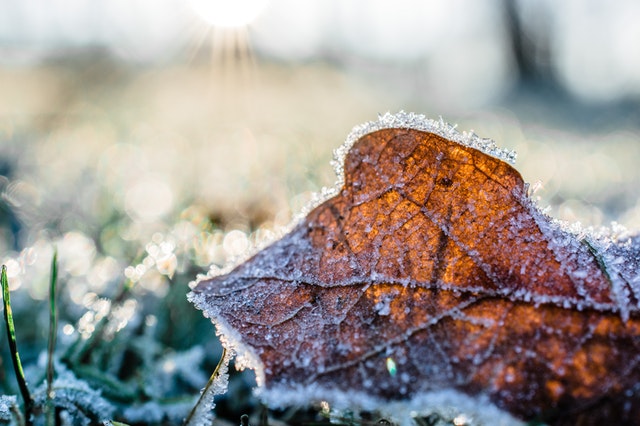
Before the grass becomes frosted over, it’s worthwhile preparing your lawn. The first way you can do this is by tidying and repairing edges and aiming to keep the grass at mid-length throughout the winter. Cold weather makes it harder for the grass to survive, as the frost makes it brittle.
Protect Plants from the Cold:
Unsurprisingly, much like us humans, some plants can’t stand the cold weather. This is why it’s a good idea to protect your plants from the harsh weather seasons, by simply wrapping up the immovable plants in fleece or bubble wrap, and for smaller plants, move them indoors or place them in a greenhouse.
Dig Garden Beds:
If your garden has clay soil, perhaps now is the best time to dig the soil beds, in order to help break down the frost and improve the soil structure. However, if the soil is sodden or there has recently been a frost, then it’s a good idea to wait until, and if you have sandy soil it’s also a good idea to leave your garden beds until there is warmer weather.
Create a Compost Heap:
If you want your plants to look healthier in the summer months, then you may want to add compost to your garden beds throughout the colder months. An easy way to do this is by using a fork to push the compost into the soil or spread it on top. You can also make a little cage to cover the ground and prevent the leaves from blowing away.
Cover the Ground:
If your garden has an allotment, then you may want to cover the vegetable beds if there is nothing planted in them. By covering the allotment ground with cardboard, landscaping fabric and weighing it down with bricks of planks, the weeds will be held down throughout the colder months, and then when the weather begins to get warmer the soil will be able to warm up quickly. Additionally, covering the ground will also stop the soil from losing nutrients due to the rain and wind.
Put Feeders Out:
Although we may be able to retreat indoors for winter, we must remember to care for the animals that spend their time outdoors. Leaving out nuts, seeds, and fat balls in your garden will be greatly appreciated by garden birds, in addition to regularly leaving out fresh water and ensuring it doesn’t freeze over. If you keep an area of your garden strewn with leaves and logs, this will make the perfect home for a hedgehog to seek shelter.
This article was written by a quick house sale company We Buy Any House. If you’re wondering “how can I sell my house fast?”, head to the We Buy Any House website for more information relating to all property related enquiries.


